March 16, 2026
March 16, 2026 | Thai Nguyen
Hardwood flooring continues to evolve as homeowners look for options that combine style, sustainability, and practicality. From eco-friendly materials and healthier finishes to modern colors and innovative hardwood floor installations, today’s flooring trends reflect a growing desire for both beauty and long-term value. As design preferences shift toward natural elements and environmentally responsible materials, flooring has become an important part of creating comfortable, visually appealing living spaces.
In addition to aesthetics, homeowners are increasingly considering durability, maintenance, and environmental impact when choosing flooring. Advances in manufacturing and hardwood floor installations and new techniques now make it easier than ever to achieve high-end looks while maintaining practicality for everyday living. Understanding these emerging trends can help homeowners select flooring that enhances their home’s design, improves functionality, and aligns with modern sustainability goals.
Sustainable and Eco-Friendly Options
Reclaimed wood has become a cornerstone of sustainable flooring options, offering both environmental benefits and unique aesthetic qualities. By repurposing old wood, usually sourced from demolished buildings or retired ships, manufacturers reduce deforestation while providing consumers with distinctive, history-rich materials. This not only lessens environmental impact but also adds character to the flooring. The increased demand for reclaimed wood reflects a broader societal shift towards recycling and sustainability. As more consumers prioritize eco-conscious living, reclaimed wood is likely to maintain its popularity in the market.
Consumers are increasingly researching certified sustainable products to ensure their purchases are environmentally responsible. Certifications like the Forest Stewardship Council (FSC) label ensure that wood products are sourced from responsibly managed forests. This gives consumers the reassurance that they are not contributing to deforestation or the loss of natural habitats. The availability of certified products is growing as more manufacturers seek to meet consumer demand for verification of sustainability practices. According to the NWFA 2025 Industry Outlook, the flooring industry anticipates growth driven by high consumer demand for quality and sustainable hardwood options.
Bamboo and cork are two alternatives that have gained traction due to their renewable nature. Bamboo, although often associated with the same qualities as wood, is a type of grass that regenerates quickly, making it an ideal sustainable resource. Cork, harvested from the bark of cork oak trees, grows back after harvesting, further ensuring sustainability. Both materials not only offer functional benefits but also add unique textures and looks to modern interiors. As consumers become more eco-conscious, products like bamboo and cork are likely to become popular choices for sustainable hardwood floor installations.
The move towards healthier indoor environments has increased the popularity of low-VOC (volatile organic compounds) finishes. Traditional finishes can release potentially harmful chemicals into the air, affecting indoor air quality and contributing to allergy and asthma symptoms. Low-VOC options minimize these emissions, offering safer living conditions, especially in homes with children or pets. Manufacturers are responding to consumer health concerns by developing products with lower VOC content without compromising durability or appearance. This trend underscores the importance of merging health considerations with aesthetic appeal in modern flooring solutions.
Popular Colors and Finishes
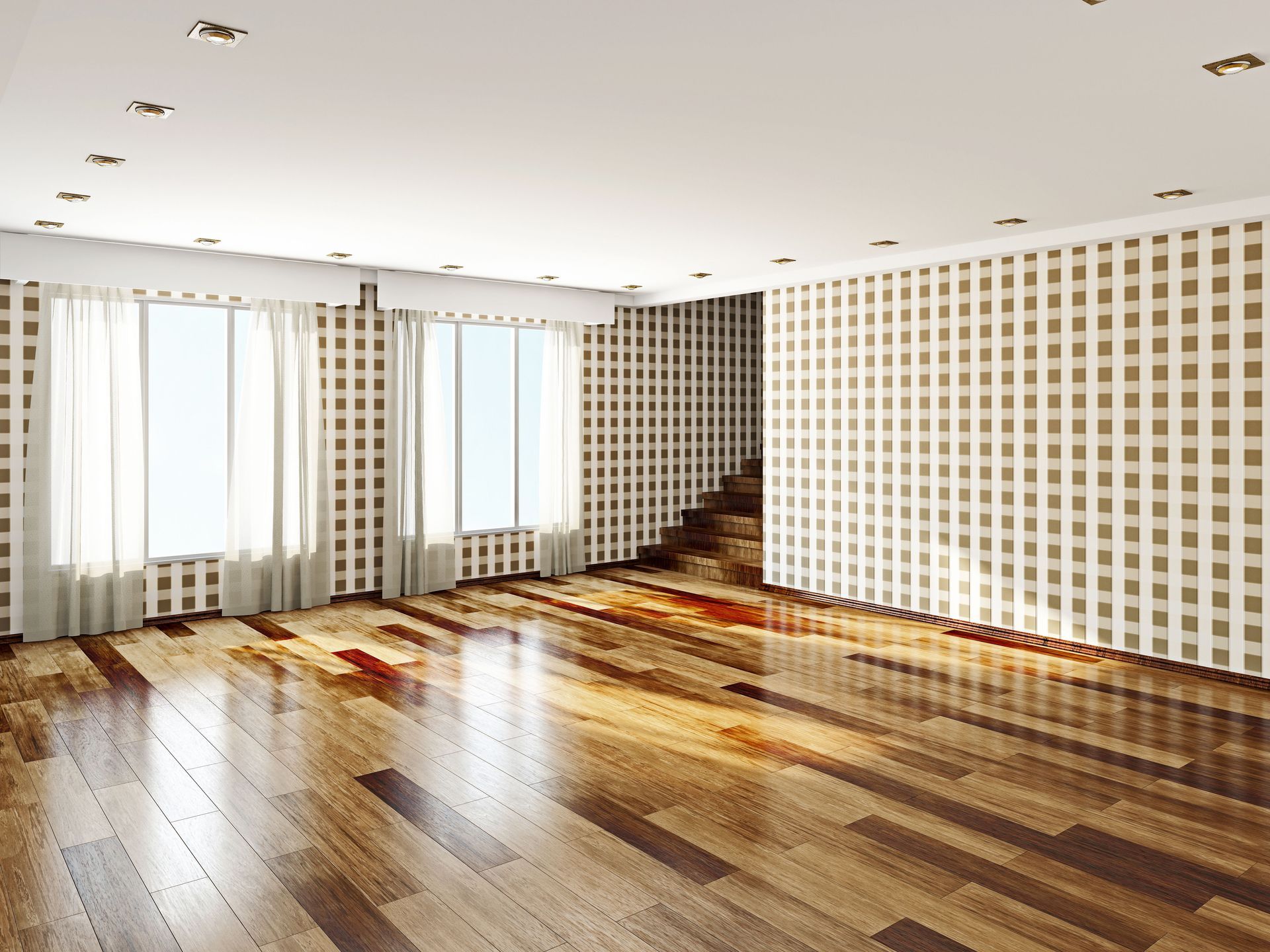
Dark wood tones are experiencing a revival, capturing the essence of luxury and sophistication in interior design. These rich, deep hues add warmth and create a dramatic effect in any room, making them a favored choice for classic and contemporary designs alike. Dark shades, like espresso and mahogany, often convey a sense of formality and elegance that appeals to homeowners seeking to create a statement. When installed in well-lit areas, dark woods can complement lighter colors and textures, creating a balanced effect. As a result, designers are incorporating darker wood tones to achieve a harmonized look in living spaces.
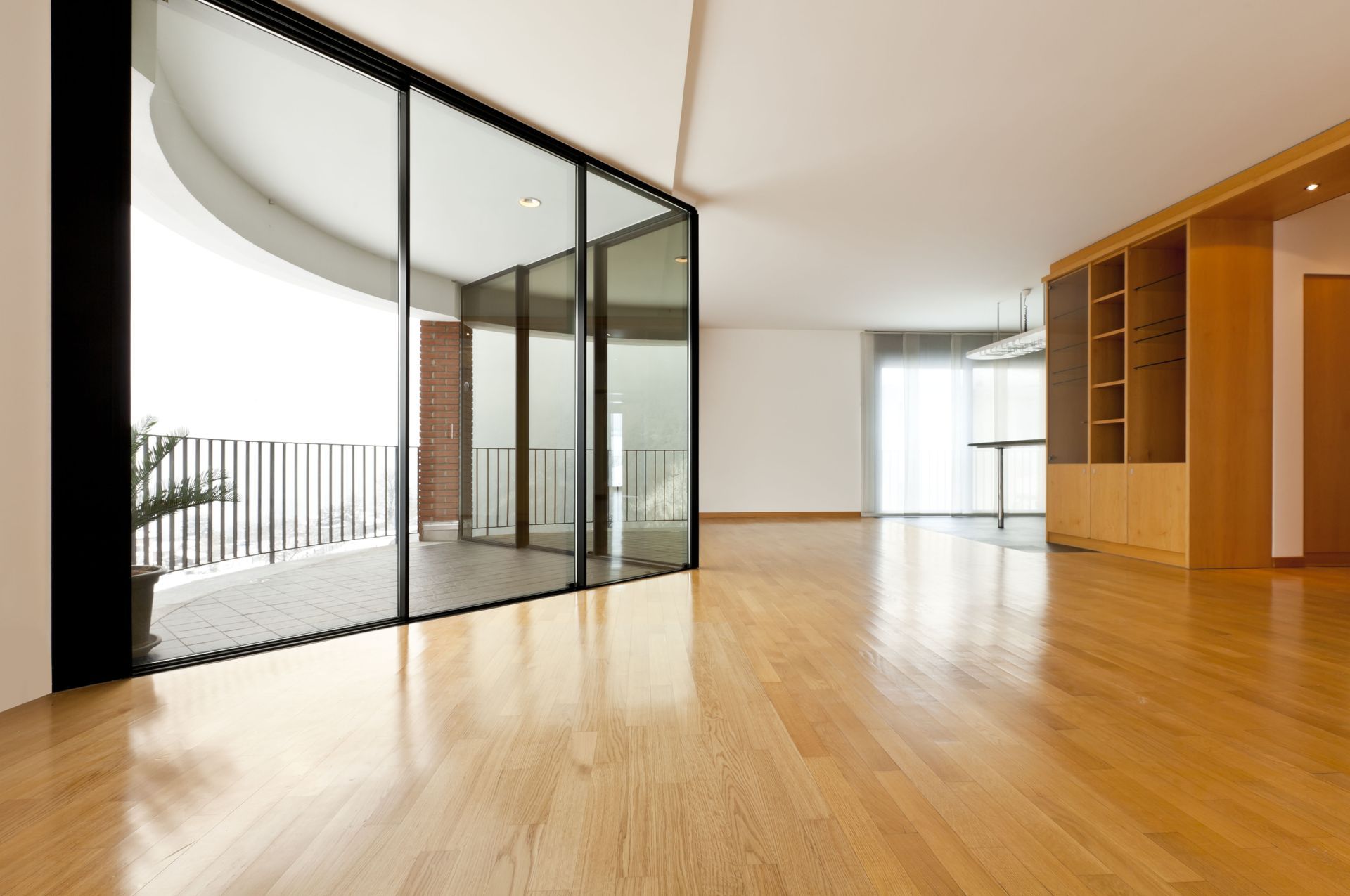
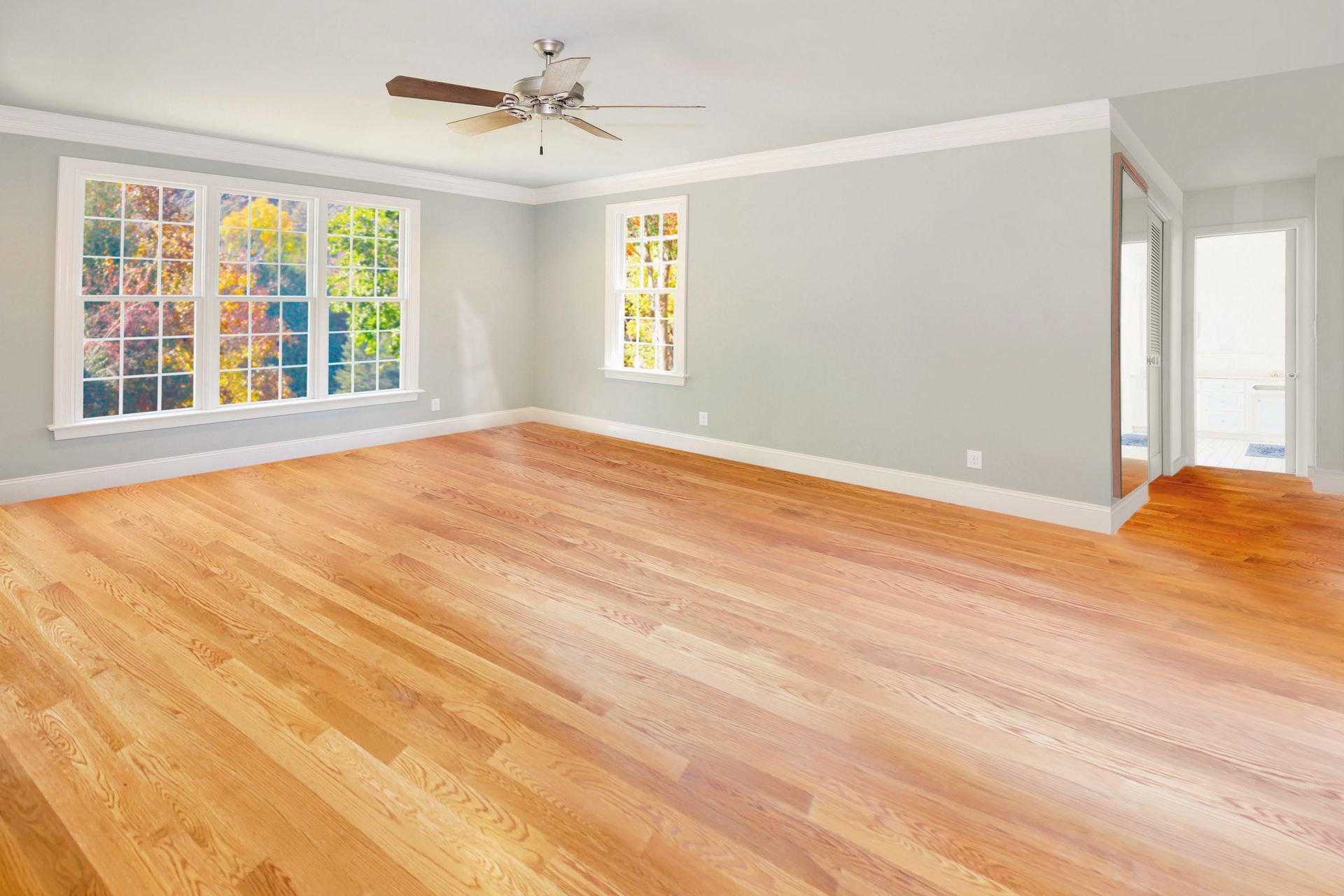
Natural wood colors, including light beiges and warm whites, continue to rank high in popularity for their ability to brighten spaces. These hues easily blend with various interior styles, from minimalist to Scandinavian designs, offering versatility that many homeowners appreciate. Light woods help to create an airy and open feel, enhancing the perception of space in smaller rooms. Choosing these hues can also emphasize other elements in the room, such as bold furniture and colorful decor, without overwhelming the design. As a timeless option, light wood hardwood floor installations remain a staple in creating welcoming and expansive environments.
Textured finishes such as wire-brushed, hand-scraped, and distressed surfaces are gaining traction due to their ability to add character and depth to flooring. These textures not only highlight the natural grain patterns of the wood but also create a tactile experience that enriches any interior. Textured finishes can hide minor scratches or wear marks, making them practical for high-traffic areas. By choosing a textured surface, homeowners introduce a rustic charm that softens the atmosphere of modern spaces. As such, these finishes provide both functional and aesthetic benefits, resonating with current design trends.
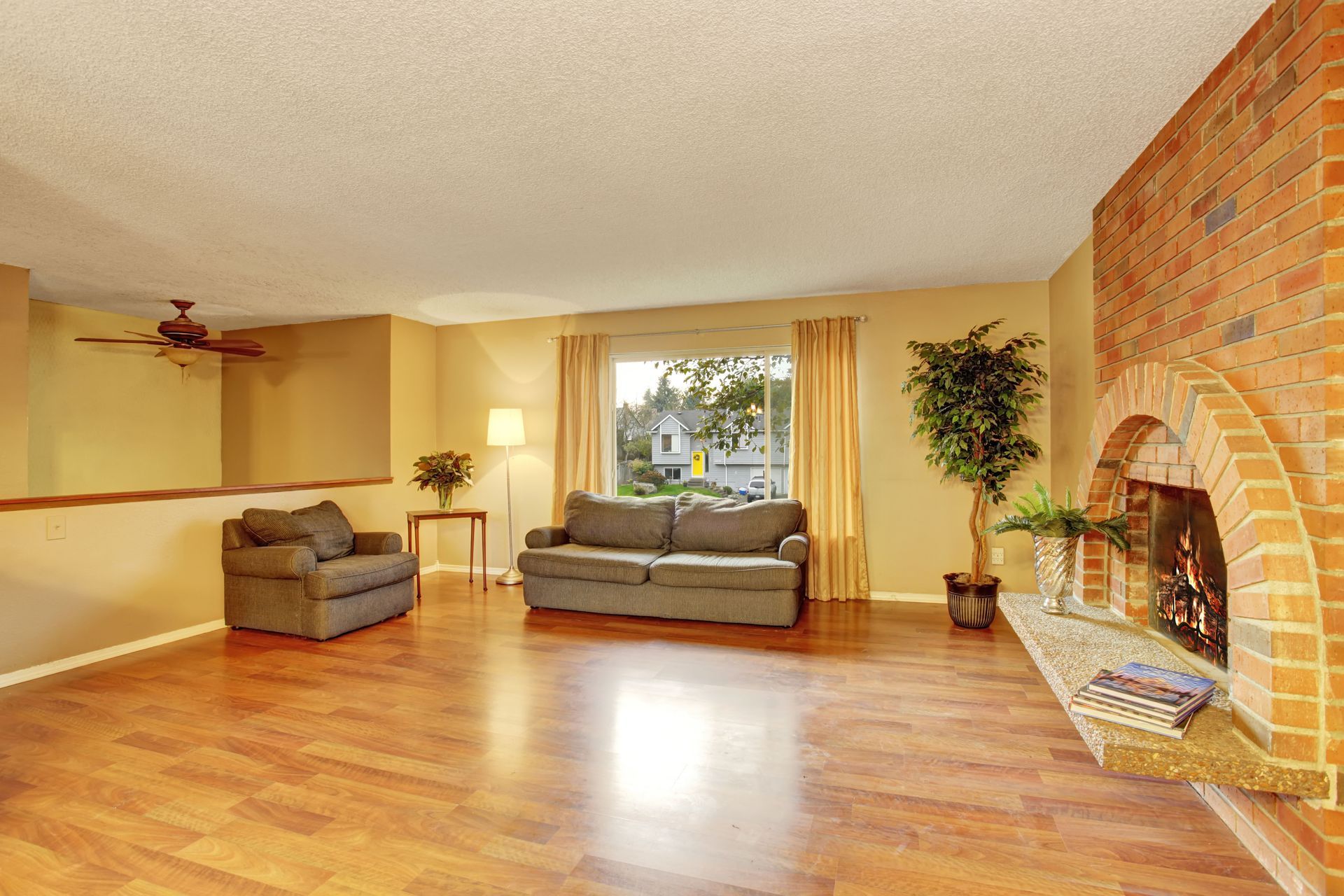
Shifting away from glossy surfaces, matte and satin finishes offer a more subdued and natural appearance for hardwood floors. These finishes reflect less light, providing a more sophisticated and modern look that appeals to contemporary design sensibilities. The popularity of matte surfaces stems from their ability to hide dust, scuffs, and imperfections better than high-gloss options. Satin, on the other hand, strikes a balance between matte and gloss, offering a subtle luster without the potential drawbacks of high maintenance. As preferences evolve, these less reflective surfaces are becoming preferred choices for creating understated elegance.
Innovative Installation Techniques
Floating floors have become a popular choice for modern hardwood floor installations, offering convenience and efficiency. Unlike traditional methods, floating floors do not require nails or glue, making the installation process less intrusive and more straightforward. This technique involves fitting planks together over an underlayment, enabling expansion and contraction with temperature fluctuations. As a result, floating floors are particularly beneficial in climates with significant seasonal changes. Their adaptability makes them ideal for a variety of subfloor types, further contributing to their rising popularity among consumers seeking modern, flexible solutions.
Click-lock systems have revolutionized the hardwood floor installation process, allowing for quick and efficient assembly. These systems involve planks that interlock, creating a sturdy and stable surface without the need for adhesives or nails. This innovation reduces installation times and labor costs while maintaining high-quality results. Furthermore, click-lock systems make it feasible for DIY enthusiasts to tackle hardwood floor installations, increasing accessibility for homeowners with limited experience. As technological advancements continue to improve ease of use, such systems are expected to become a standard option in hardwood flooring projects.
Patterned designs like herringbone and chevron are garnering attention for their ability to enhance aesthetic appeal. These classic patterns introduce rhythm and movement into a space, adding a touch of sophistication and artistry. While they require more precision in installation, the visual impact of these designs is undeniably captivating. On a practical level, such patterns can redefine spatial dimensions, making them a favored choice for larger rooms or entryways. As designers and homeowners seek ways to distinguish their floors, the interest in these intricate patterns continues to grow.
Today’s hardwood flooring trends show a clear shift toward sustainability, natural textures, modern finishes, and easier hardwood floor installations. Whether homeowners are drawn to reclaimed materials, lighter tones, textured surfaces, or creative patterns like herringbone, these options offer both visual appeal and practical benefits for everyday living.
If you’re planning a flooring upgrade, exploring these trends can help you select a style that complements your home while adding long-term value. Consider working with American Hardwood Floor Services LLC, which can guide you through the best materials, finishes, and installation methods to bring your vision to life and ensure lasting results.